
A $370 ZimaBoard Is Outselling Every Major Brand in Servers
I’ve been tracking server sales for the past year, and honestly didn’t expect to see a relatively unknown single-board server dominating Amazon’s charts. But here we are in February 2026, and ZimaBoard has quietly claimed the #1 spot with their 1664 model — beating out Dell, Microsoft, and every other big name you’d recognize. What’s even more surprising? The price range spans from $42 to over $1,300, showing just how diverse the server market has become.
Looking at 751+ combined ratings across the top 10, it’s clear buyers are getting more specific about what they want. Gone are the days when “server” meant one thing. Now you’ve got everything from pocket-sized home lab devices to full enterprise towers competing for the same buyers.
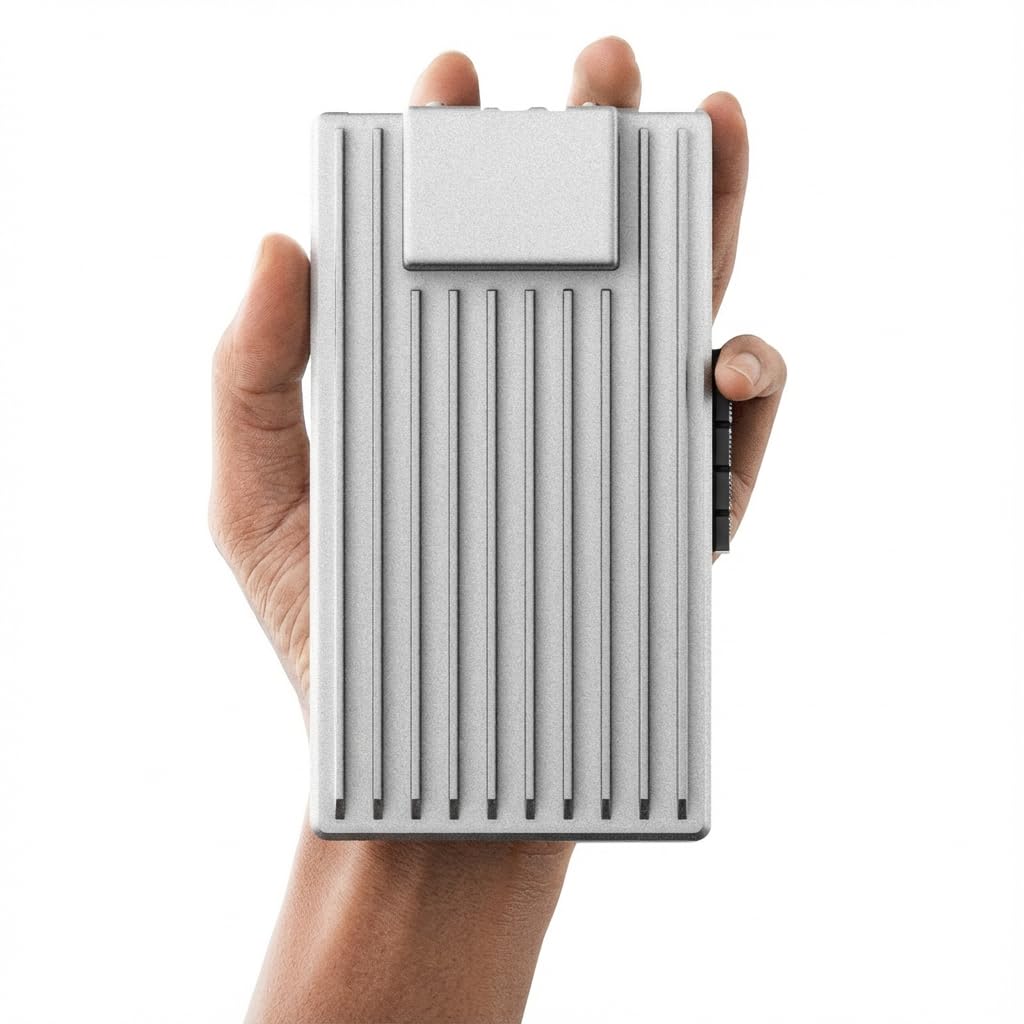
The ZimaBoard 2 1664 at $370 shouldn’t be leading this category, but here it is with 375 ratings and a solid 4.4-star average. What caught my attention is the x86 architecture paired with 16GB DDR5 — that’s serious specs for something this compact. The dual 2.5GbE networking and PCIe 3.0 slot make it genuinely useful for home labs, not just a toy. One buyer mentioned running it fanless in their barn without climate control, which speaks to the build quality. The main gripe I see in reviews is around the learning curve if you’re coming from traditional NAS setups.
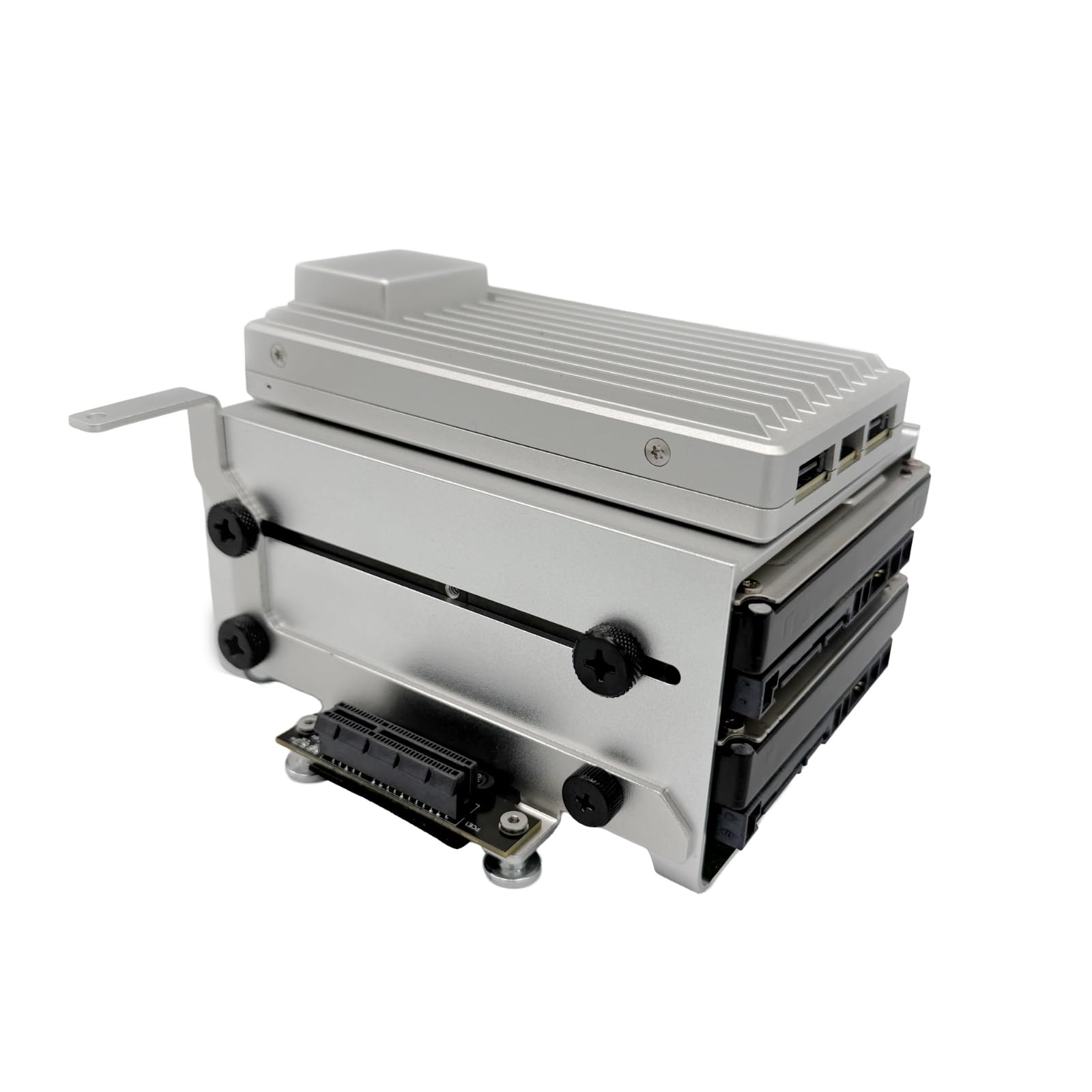
At $43, this drive bracket feels almost like an impulse buy for ZimaBoard owners. It’s basically two 3.5″ drive bays in an aluminum frame — nothing fancy, but sometimes that’s exactly what you need. With only 9 ratings, it’s clearly a niche accessory, but the 4-star average suggests it does what it promises. One reviewer noted they had to do some DIY work with the ZimaBoard 1, so make sure you’ve got the right model.

Now we’re talking traditional server territory. The Rosewill THOR at $229 is a proper full-tower case with 8 hot-swap bays — perfect if you’re building something serious. What I like is the mix of 3.5″ and 2.5″ options, plus E-ATX motherboard support. At 70 ratings with 4.2 stars, it’s proven reliable. Just heads up — a couple buyers mentioned missing screws in their shipments, so check everything when it arrives.
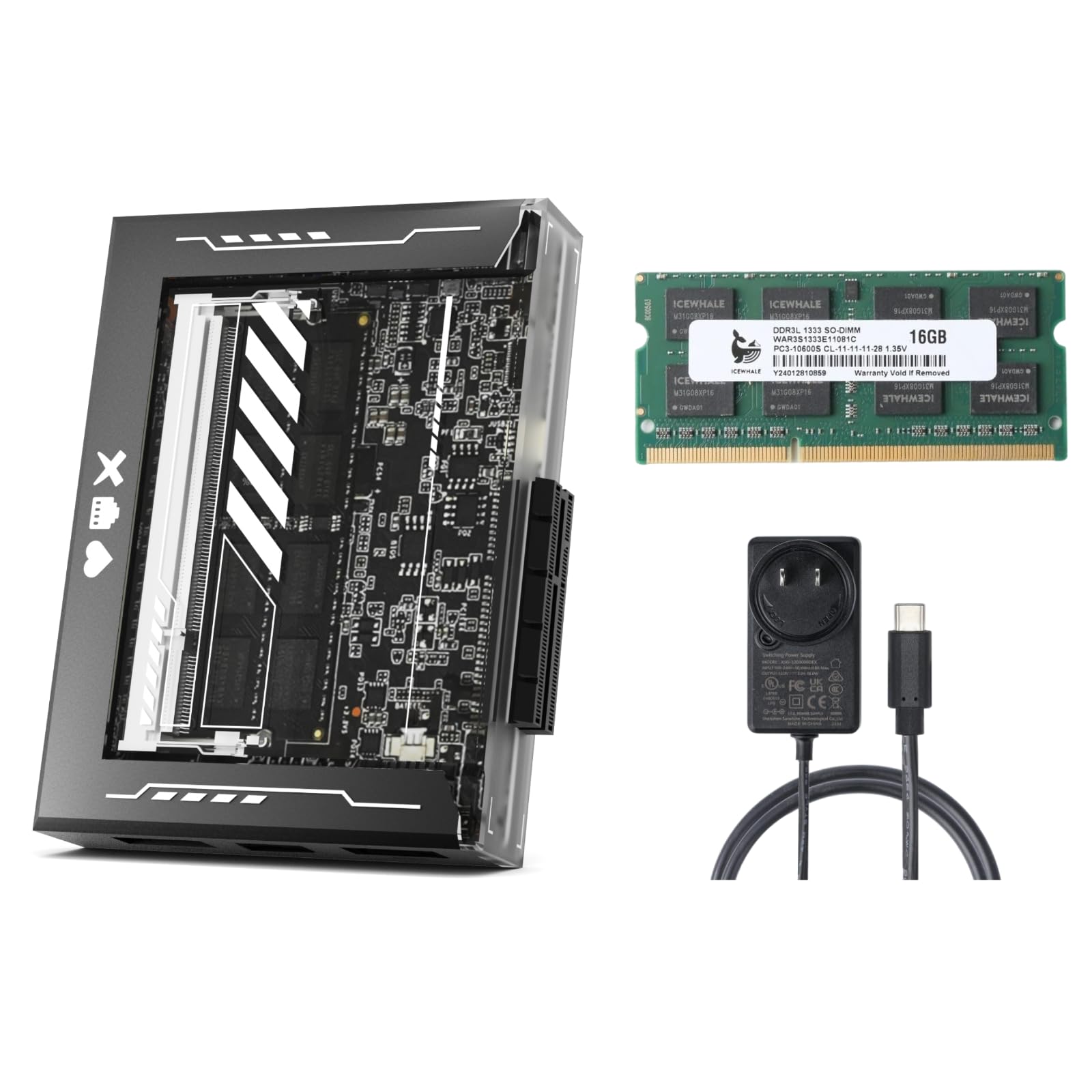
Another ZimaBoard entry, this time the Blade model at $166. The 16GB RAM is generous for this price point, and CasaOS apparently makes setup genuinely beginner-friendly. I’m impressed by the 173 ratings with 75% being 5-stars — that’s strong satisfaction. Multiple reviews mention running 30+ services and smooth 4K Plex transcoding. If you want to dip your toes into self-hosting without the complexity, this looks like a smart entry point.

A sliding keyboard tray for $60 — not glamorous, but essential if you’re managing rack equipment. The 3.8-star rating across 85 reviews suggests it’s solid but not exceptional. One thing that stood out: buyers appreciate that it comes pre-assembled. The cold-rolled steel construction should handle daily use, though make sure your rack is 19″ standard before ordering.

Microsoft Windows Server 2022 at $442 — probably not what most people think of when browsing servers on Amazon, but enterprise buyers need licensing. The 16-core base license covers the essentials, though at only 15 ratings, it’s clearly a specialized purchase. If you’re running Windows-based services, you know you need this.

Dell server rails for $80 — another “unsexy but necessary” item. Compatible with a long list of PowerEdge models, and the 4.2-star rating suggests they fit properly. At 23 ratings, it’s clearly for people who know exactly what they need. One reviewer’s comment was literally “Connects my servers to my server rack” — sometimes that’s all you need to know.

The Dell PowerEdge T160 at $1,310 represents the traditional enterprise approach. Intel Xeon processor, 16GB DDR5 ECC RAM, and proper server features like iDRAC9. Only one 5-star review, but it’s a recent model and Dell’s reputation speaks for itself. This is what you buy when uptime matters more than price and you need vendor support.
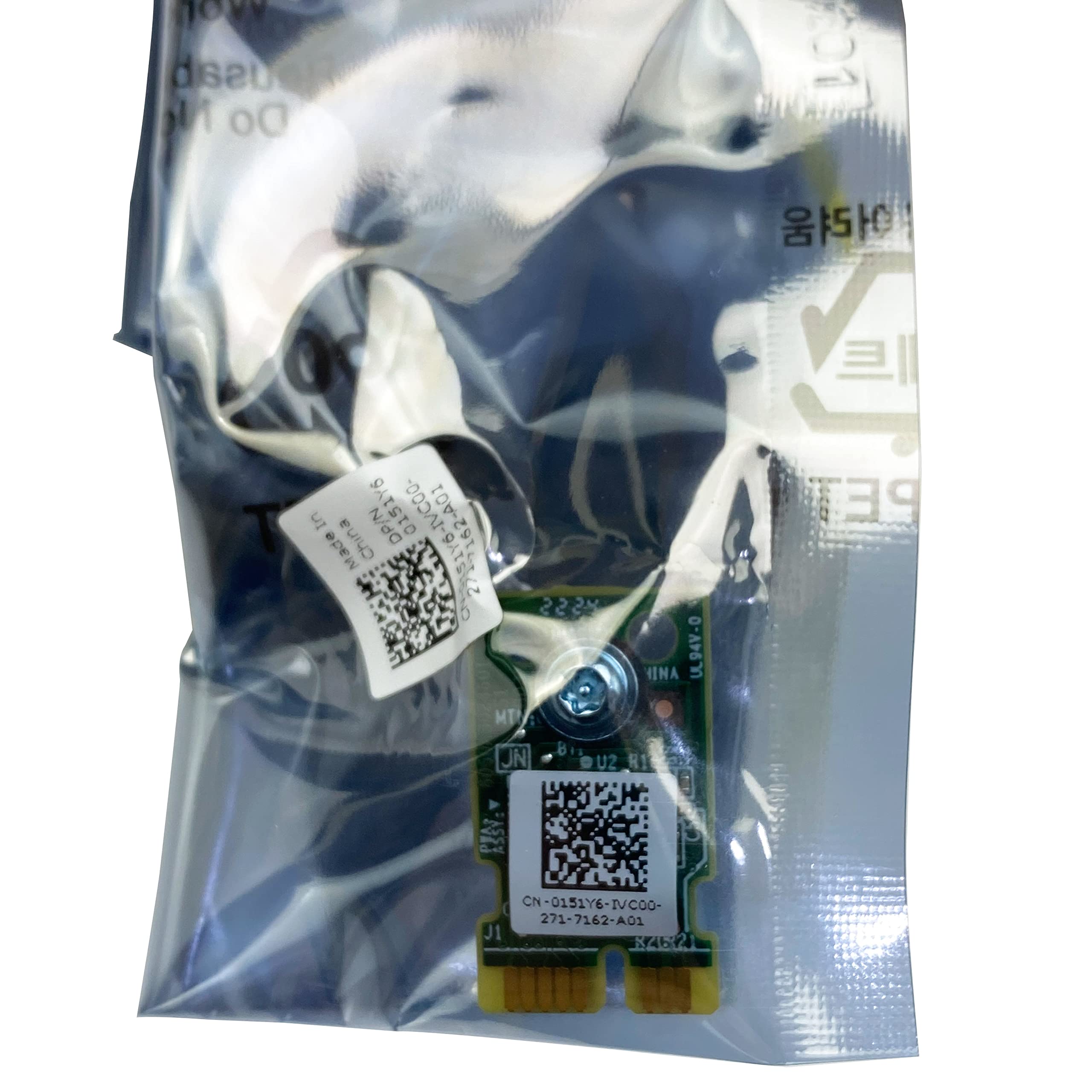
A TPM 2.0 module for $45 — essential for security compliance on newer Dell servers. No ratings yet, but these are pretty standardized components. If you’re building or upgrading Dell Gen15/Gen16 servers, you’ll likely need this for proper encryption and secure boot.
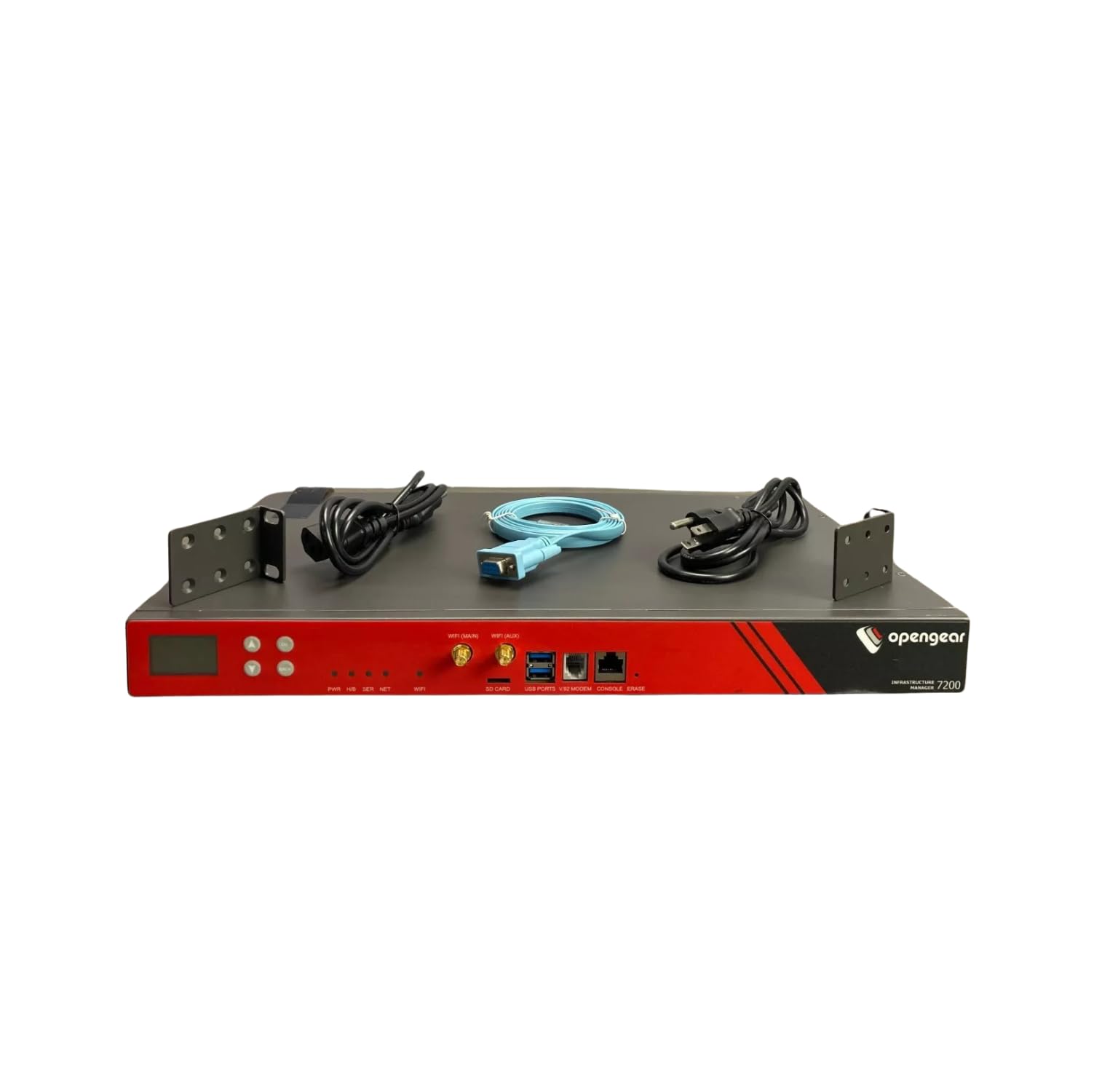
The Opengear console server at $160 is renewed/refurbished, which explains the lack of ratings. 48 ports for out-of-band management is serious infrastructure territory. If you’re managing multiple servers remotely, console servers like this are invaluable, but most home users won’t need the complexity.
What strikes me most about this list is how it splits between DIY enthusiasts and enterprise buyers. The ZimaBoard products are clearly resonating with people who want server capabilities without enterprise complexity or pricing. Meanwhile, the Dell and Microsoft entries show that traditional buyers are still here, just quieter in the reviews.
If I had to pick three that impressed me most: the ZimaBoard 2 1664 for making x86 servers accessible, the Rosewill THOR for serious home lab builds, and honestly, the basic drive bracket for being exactly what it promises at a fair price. Sometimes the best products are the ones that just work.
Discover more from MarkTalks on Technology, Data, Finance, Management
Subscribe to get the latest posts sent to your email.

